Environmental Design in Harmony with Nature
Land-Led Solutions for Regenerative Futures
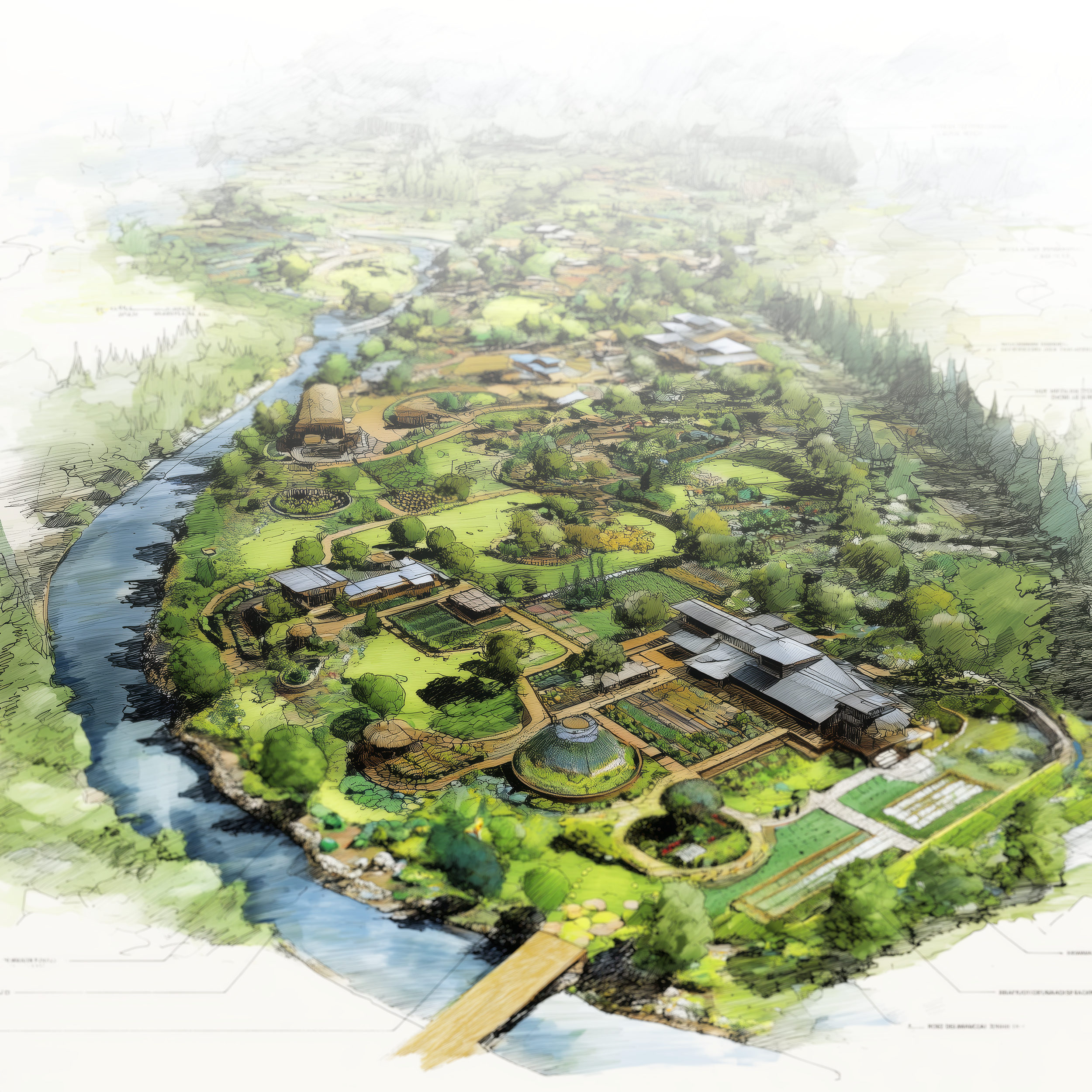
“Permaculture” means designing the entire healing environment—physical, social, and ecological—to support long-term restoration of people and land simultaneously. Instead of treating the garden as a standalone ‘thing’, permaculture integrates food production, natural building, water harvesting, energy systems, and therapeutic landscapes into a cohesive, regenerative whole.
At our core, NENQAYNI Earth Design is a modern initiative for what Indigenous peoples have long embodied through food sovereignty—cultivating reciprocal, place-based systems that nourish both community and ecosystem; gardens, forest trails, compost systems, rainwater capture, and communal spaces are arranged to promote calm, autonomy, and connection with nature.
Implementing
Indigenous Food Sovereignty
From global inspirations
Our Team
Valeria Mack
Trevor Mack
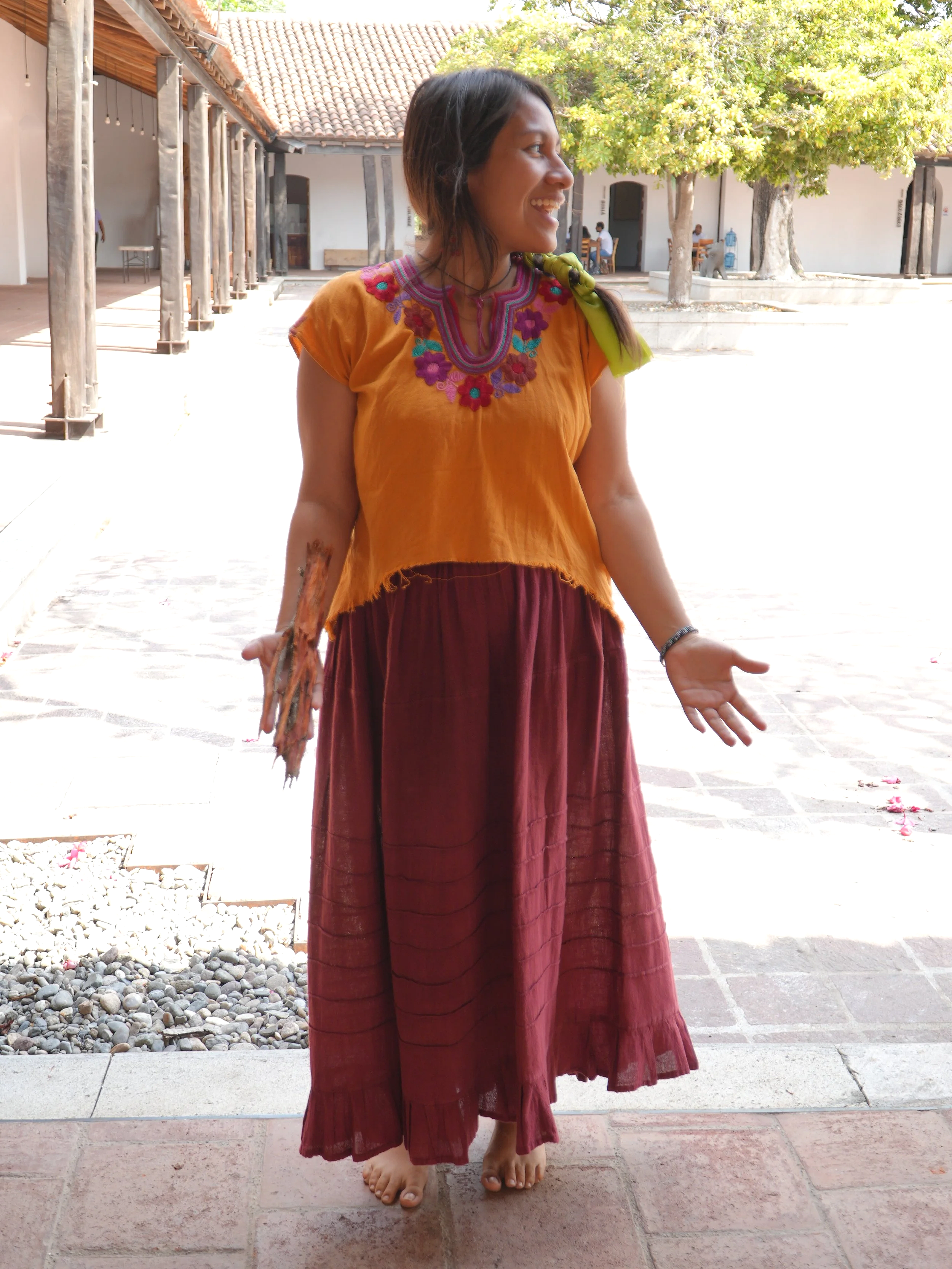
For nearly a decade, Valeria Mack has integrated permaculture, eco-building, and arts-based education across diverse communities in Latin America, Europe, and Canada. Her permaculture journey formally began in 2017–2018 with studies in Permaculture & Sustainability in Mexico, followed by eco-building and sustainability training at the Yum Kaax Eco-Sustainability Education Center, where she later returned as a project manager coordinating environmental education programs and construction initiatives.
She strengthened her technical background through agroecology, bio-intensive cultivation, ecotechnologies, and bamboo construction courses in Mexico and Peru, complementing hands-on fieldwork in community gardens, eco-structures, natural materials, and regenerative agriculture practices.
Her professional work includes coordinating permaculture and eco-building programs with Bridge to Community Health in Mexico, designing workshops for Soil & Sun Arts and Permaculture (an initiative she founded), and leading permaculture workshops at Third Space Galway in Ireland.
Most recently, she contributed design, management, and cultural programming to the Tl’etinqox International Cultural Garden Centre in the Tsilhqot’in territory, supporting land-based education and community growing spaces. Across all roles, she blends ecological design, arts, language, and cultural knowledge to create holistic, community-rooted learning environments grounded in sustainability and regenerative practices.
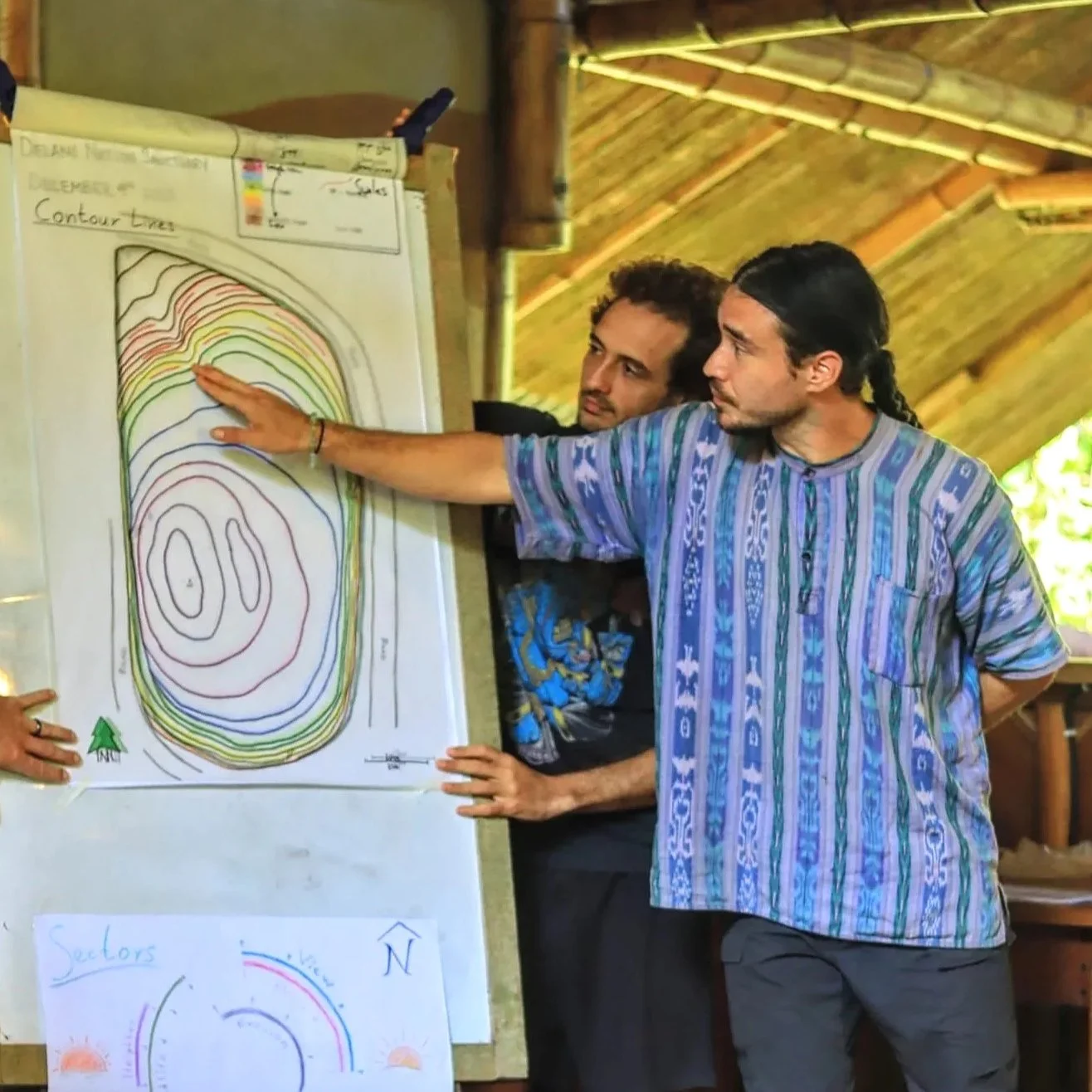
Trevor Mack is a Tŝilhqot’in filmmaker, cultural guide, and community leader whose work bridges ecological stewardship, Indigenous food sovereignty, and cinematic storytelling. His permaculture pathway includes formal training in Permaculture Design at Rancho Mastatal in Costa Rica, Indigenous Agriculture at Tea Creek Farms in British Columbia, and advanced eco-technology, agroecology, and bio-intensive cultivation studies at the renowned Las Cañadas Permaculture Centre in Mexico.
He has translated this training into hands-on applications as Community Garden Manager and Advisor for the Tl’etinqox International Cultural Garden Centre, where he led a team to harvest over 1,000 lbs of food, facilitated youth agricultural workshops, and supported the development of Indigenous Food Sovereignty policy and community visions. His work with the Working Group on Indigenous Food Sovereignty and REFARMERS has expanded his impact across multiple First Nations communities, including advising on garden design and land-based education programming.
Alongside his ecological work, he has spent over fifteen years building an influential artistic and leadership career. As a writer, director, and producer, he has created award-winning films—including Portraits from a Fire, Clouds of Autumn, and In the Valley of Wild Horses—that center Indigenous voices and cultural revitalization, screening at festivals around the world. His leadership includes serving as an elected Tl’etinqox Councillor, a founding board director of the NENQAYNI Foundation, and a council member on the Indigenous Advisory Council for Agriculture & Food for the Government of B.C.
People of the Land
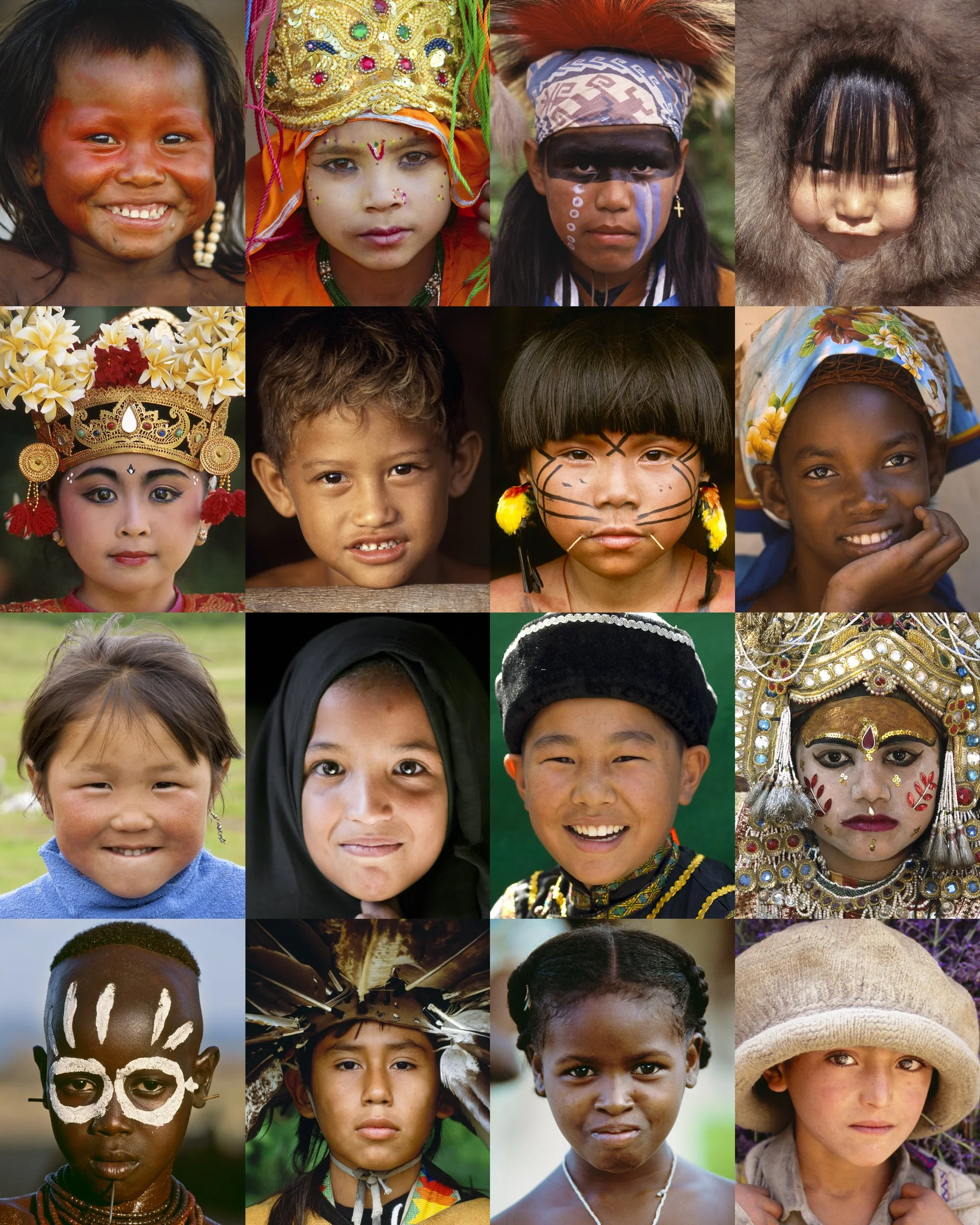
NENQAYNI means ‘People or Person of the Land’ in the Tsilhqot’in language. This term does not discriminate by skin colour, nationality, community, sex, or gender. It is inclusive to all who share a certain, tangible connection with their immediate surrounding environment and who have agreed to preserve what makes it special.
As the world accelerates toward AI and advanced technology, it has never been more important to ground ourselves in the “people of the land” values that have sustained societies for thousands of years. Permaculture, in many ways, is simply a modern framework for what Indigenous cultures have always practiced—living in relationship with place, designing with respect, and caring for the systems that sustain life. When we cultivate a peaceful interior, that harmony naturally extends outward into our gardens, homes, communities, and eventually our nations. These principles can guide how we build, train, and govern intelligent technologies, ensuring they enhance life rather than extract from it. By rooting innovation in this ancestral wisdom, we create a future that is not only smart, but truly regenerative.